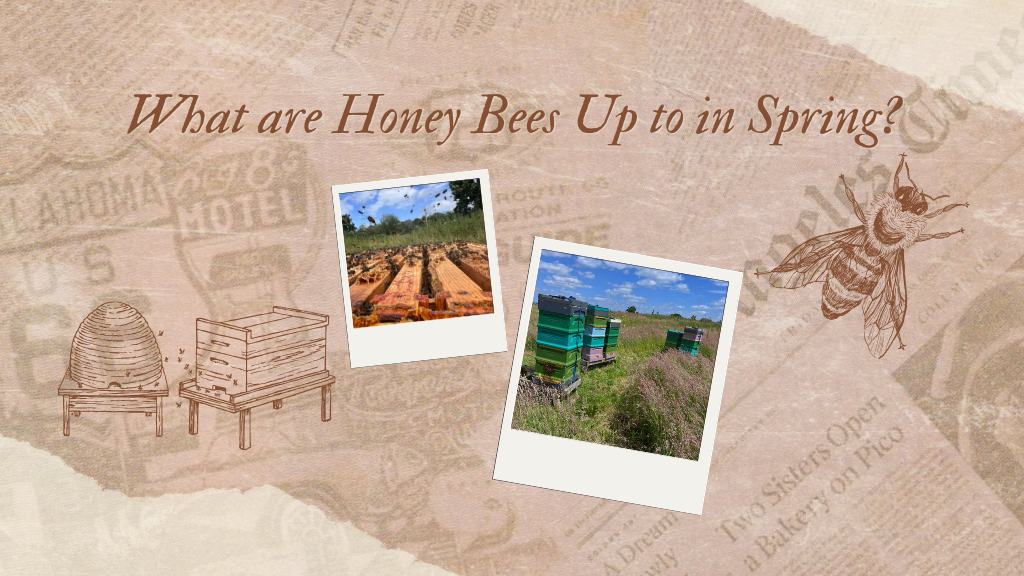
What are Honey Bees Up to in Spring?
Spring is here, and after months of huddling together through the cold, our bees are finally waking up. The hive is buzzing with activity again, and honestly? It's one of the most exciting times of the year for us at Happy Valley Honey.
If you've ever wondered what actually happens inside a beehive when the weather starts to warm up, you're in for a treat. Spring is when the magic really begins.
The Queen Gets Back to Work
After taking a well-earned break through winter, the queen starts laying eggs again - and she doesn't mess about. By late February or early March, she can be laying up to 1,500 eggs a day!
This is crucial timing. The bees that emerge from these eggs will be the foragers who collect the first nectar of the season and help rebuild the colony's numbers after winter losses.
The hive population begins to swell rapidly. What was 20,000-30,000 bees in winter can quickly grow to 50,000 or more by late spring. It's like the hive wakes up from a long sleep and suddenly everyone's got a job to do.
First Flights and Cleansing
One of the first signs of spring? The bees taking their cleansing flights.
Remember, honeybees are incredibly clean and refuse to go to the toilet inside the hive. They've been holding it in all winter (yes, really), so when temperatures hit around 10°C, they finally get their chance to take a quick flight and relieve themselves.
It's not glamorous, but it's essential! These early flights also let the bees stretch their wings, orient themselves with the area again, and check out what's starting to bloom nearby.
Foraging Begins
As soon as the first flowers start appearing, our bees are out there. Early spring bloomers like crocuses, snowdrops, willow catkins and dandelions provide vital pollen and nectar when the hive needs it most.
Pollen is especially important in spring - it's the protein-rich food that feeds developing larvae. You'll often see bees returning to the hive with bright yellow or orange pollen packed onto their back legs. It's one of the loveliest sights of the season.
By April, if the weather's kind, the bees will be visiting fruit tree blossoms, oil seed rape (which gives us our Soft Set Honey!), and early wildflowers. The countryside comes alive, and so do the bees.
Spring Cleaning at the Hive
While the foragers are out gathering supplies, the house bees are busy spring cleaning. They remove any bees that didn't make it through winter, clear out old wax and debris, and prepare cells for the queen to lay her eggs in.
It's all hands on deck. The hive is like a bustling little city getting ready for the busy season ahead.
The Beekeeper's Role
For our team, spring is one of the busiest times of the year. We're checking hives regularly to make sure the colonies are healthy, the queen is laying well, and there's enough space for the growing population.
We also keep an eye out for signs of swarming. When a hive gets too crowded, the bees may decide to split - the old queen takes half the colony and flies off to find a new home. It's completely natural, but if we can manage it properly, we can prevent losing half a hive!
Spring inspections are about giving the bees the best possible start to the season. Healthy bees in spring mean a good honey harvest later in the year.
What's Next?
By late spring, if all goes well, the hives will be thriving. The fields and hedgerows will be full of blooms, the bees will be working overtime, and we'll be preparing for the first honey harvest of the season.
There's something magical about watching the hive come back to life after the quiet winter months. Every year, it reminds us why we love what we do.
Spring is hope, renewal, and the promise of sweet things to come.
Want to taste the seasons?
Our honey captures the flavours of spring, summer and autumn in Cheshire. From delicate Blossom to rich Heather, every jar tells a story.
Thanks for reading,
The Happy Valley Honey Team